
Tea Knowledge for Better Sourcing
Practical insight into tea quality, production, certification and export readiness.
The detailed differences between Matcha (powdered green tea) and Tencha (stone-ground tea leaves)
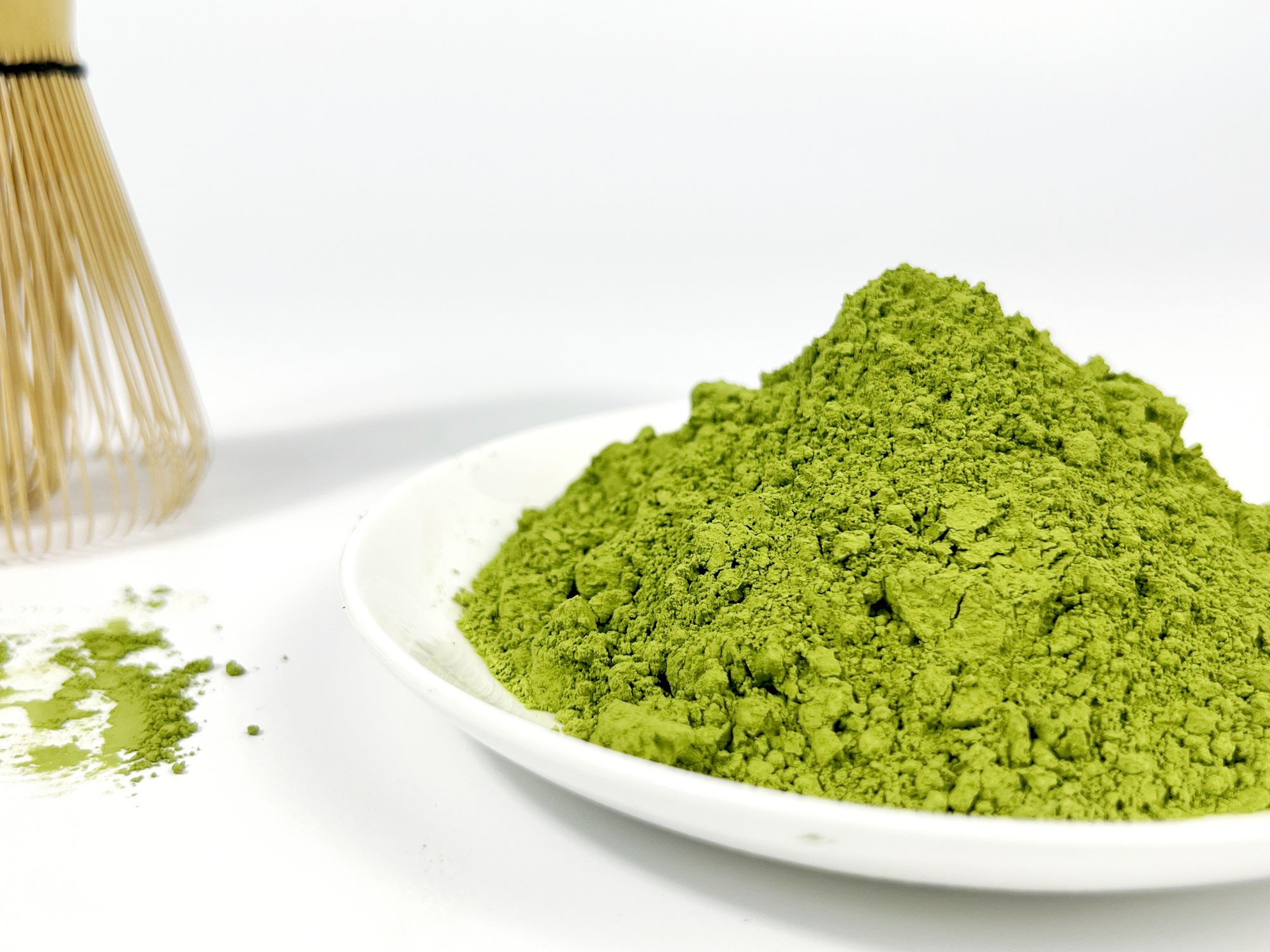
Core definition in one sentence:
Tencha (ground tea) is tea that is shade-grown, steamed, not rolled, and processed to remove stems and coarse veins, then dried into flat leaves; it is the dedicated raw material for making Matcha.
Matcha = Tencha that has been ground into an ultra-fine powder. All authentic Matcha must use Tencha as the raw material; green tea powder made by directly grinding Sencha does not count as standard Matcha. Below is a horizontal comparison of the two from five dimensions: processing method, usage, storage requirements, transportation, and end application.
1. Processing method
Tencha (ground tea)
1) Cultivation: Shade-covered 20–60 days before harvest to boost chlorophyll and theanine while reducing bitterness.
2) Processing steps: Fresh leaves → Steaming (to inactivate enzymes) → Flat drying without rolling (biggest difference from Gyokuro/Sencha) → Refining and picking, removing hard stems and coarse veins, leaving only soft leaf parts to get flat, thin dried tea leaves.
3) Form: Dried thin leaves/chips, not powder; moisture usually controlled at 3–5% for easier later grinding.
4) Grinding is not part of this step: Tencha is just a semi-finished product and hasn’t been pulverized; the quality of Tencha determines the base color, gloss, and freshness of the final Matcha, with grinding only changing the physical form.
Matcha
1) Pre-processing inherits Tencha entirely: Shade-grown, steamed, dried, destemmed, deveined to produce qualified Tencha.
2) Key post-processing: Ultra-fine grinding. High-end uses low-speed granite stone grinding (low heat friction to preserve aroma and green color); industrial grade uses jet mills or ball mills. Grinding crushes leaf cell walls into micron-level ultra-fine powder.
3) Form: Smooth, bright green powder; particle size directly affects suspension, froth, and mouthfeel.
4) Key point: Grinding breaks tea leaf cells, exposing internal substances to oxygen, light, and moisture, vastly accelerating oxidation.
2. Usage Methods
Tencha (Stone-Ground Tea Leaves)
1. Main Use: Used as raw material, sent for grinding into matcha, hardly ever sold directly to end consumers.
2. Rarely brewed directly: Can be steeped like ordinary loose tea in a gaiwan or teapot. The tea has a mild taste and light umami; the leaves will float and barely dissolve in water, so you can't do tea whisking or create foam.
3. Buyer evaluation of Tencha: Steeping evaluation is done to predict the color, aroma, and bitterness of the resulting matcha, serving as a raw material acceptance standard.
4. Cannot be used directly for baking or coloring beverages: Sheet-like leaves are hard to disperse, color unevenly, and have a fibrous texture.
Matcha (Powdered Tea)
Drinking method: Consumed as whole powder, not filtered after steeping. Classic approach: mix with warm water using a tea whisk to create foam; all the powder is drunk, ingesting all leaf compounds.
Food applications: Directly added to water, milk, baking dough, ice cream, chocolate; thanks to superfine powder, it disperses evenly, colors evenly, and releases flavor.
Usage notes: Easy to clump, should be sifted before mixing; very fine powder, noticeable dust.
3. Storage Requirements (Big Differences, Key for Procurement and Supply Chain)
Tencha (Stone-Ground Tea Leaves)
More stable: cells remain intact, oxidize slowly, shelf life much longer than matcha powder.
Storage conditions: Keep away from light, sealed, vacuum or nitrogen-packed; ideally refrigerated at 0–5°C. Short-term storage at room temperature in a dry, light-free place is also acceptable.
Advantages: Can stock large quantities and grind into matcha when orders come in, maximizing freshness. This is a common supply chain strategy in the industry.
Risk points: Can soften if damp, affecting grinding efficiency; color darkens with long-term light exposure.
Matcha (Powdered Tea)
Less stable: Cell walls are broken, chlorophyll and aromatic compounds easily destroyed by light, oxygen, and heat; color quickly changes from bright green to yellow-brown, fresh taste disappears, hay-like taste develops.
Storage: Must avoid light, keep oxygen-free, low humidity; refrigerate if unopened; consume quickly after opening (usually recommended within 30–60 days).
Packaging requirements: High-barrier aluminum foil or opaque tin cans, nitrogen-protected; quality drops quickly once repeatedly exposed to air.
Procurement focus: Matcha cannot be ground in advance and stored long-term; for large orders, prioritize buying Tencha raw material and grind to matcha as needed.
4. Transportation Methods
Tencha (Rolled Tea)
Form: Leaf-shaped dry tea, fairly tough, not easy to create dust.
Packaging: Vacuumed large bags, with outer carton or fiber drum; suitable for bulk shipping or air transport.
Temperature Control: Long-distance sea transport doesn’t require strict cold chain, but temperature control is recommended in hot and humid areas; better resistance to transport bumps, less prone to spoilage.
Cost Advantage: Lower storage and logistics costs per unit weight; smaller volume compared to matcha powder for the same weight, less prone to package breakage or powder leakage.
Matcha (Powdered Tea)
Form: Ultra-fine powder, very prone to moisture absorption and oxidation, easily leaks.
Packaging: High-barrier light-blocking aluminum foil, usually in small packs; for bulk, also requires nitrogen-filled sealing.
Transportation: Preferably cold-chain controlled transport to avoid hot containers; higher risk in sea transport compared to tencha, high temperatures can quickly fade color and degrade flavor.
Risks: Damaged packaging causes significant powder loss; in high humidity, powder clumps and can become unusable.
Supply Chain Strategy: For cross-border bulk trade, tencha is generally exported, while matcha is ground locally in the target market to reduce the risk and cost of long-distance powdered cold-chain transport.
5. End Use
Tencha (Rolled Tea)
Core B2B Raw Material: Grinding base for matcha factories, classified by grade (tea ceremony grade tencha, food grade tencha).
Lab/Raw Material Evaluation: Extraction tests to predict flavor and color of finished matcha. Rarely sold directly to retail; not directly used for milk tea, baking, or tea preparation.
Matcha (Powdered Tea)
1. Tea Ceremony Grade Matcha: Used for high-end tea whisking; bright green, fresh taste, low bitterness; used in tea ceremonies and upscale tea shops.
2. Food & Beverage: Matcha lattes, bubble tea, smoothies, focusing on suspension and color.
3. Baking & Food Industry: Cakes, cookies, ice cream, chocolate, meal replacement powders, leveraging natural green color and umami flavor.
4. Personal Care / Dietary Supplements: Functional powders, raw materials for skincare products.
Comparison Dimension | Tencha | Matcha |
Processing Type | Shaded cultivation → steaming and drying, no rolling, removing stems and veins, dried flake semi-finished product | Tencha Made into fine powder by ultra-fine stone grinding or air-jet milling, breaking cells to get the micro-powder product |
Physical form | Flat, dry, thin tea leaves | Ultra-fine emerald green powder |
How to use | Mainly used as a grinding material; hardly ever brewed for drinking, can't be whisked into tea | Whisk into drinks; add directly to beverages or baked goods; consume the whole powder |
Storage characteristics | Stable, oxidizes slowly; can be stored in the fridge for a long time; has a long shelf life | Extremely sensitive, quickly oxidizes and fades with light/oxygen/heat; has a very short shelf life once opened |
Transport method | Large vacuum packaging; suitable for both sea and air shipping, cold chain not mandatory; not easy to spill powder | High barrier, light-proof, nitrogen-filled packaging; cold chain recommended; high risk with hot shipping, can easily clump and change color |
Terminal app | B-end grinding factory raw materials, raw material sensory evaluation; not for consumer retail | Tea ceremony, freshly made tea drinks, baking, ice cream, dietary supplements, daily chemicals |
Key Procurement and Selection Suggestions (to Complement the Chun Mee / Gunpowder Review System)
1. If the client needs a stable matcha product with high demands for color, foam, and flavor: purchase Matcha directly, but keep inventory turnover fast, and pay attention to packaging and cold chain.
2. If it’s a large food factory that plans to grind on demand and control inventory loss: purchase Tencha leaf material, grind Matcha per order to keep it fresh and reduce waste.
3. Raw material evaluation order: first assess the quality of Tencha leaves (color, aroma, infusion taste). If the leaf quality is poor, even the best grinding equipment can’t produce high-quality Matcha powder.
4. Quality misconceptions: don’t just look at the color of the Matcha powder; bright green is just the surface, the real quality comes from how long the Tencha was kept in the dark, the picking grade, and the stems removal process.