Tea Culture & Wholesale Insights

Origin stories, factory expertise and practical guidance for international tea buyers.

Latest Articles

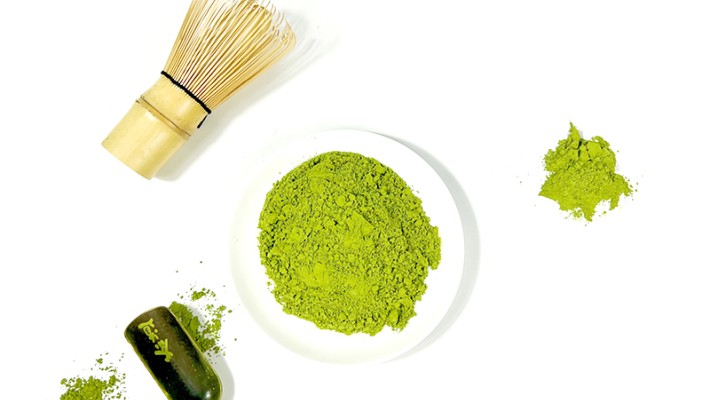
Wholesale buying Matcha: color, fineness, aroma, use – which one should you compare first?
November 14, 2026 04:35 PM

Wholesale buying Matcha: color, fineness, aroma, use – which one should you compare first?

      Core Conclusion: Color, fineness, and aroma are all key quality indicators, but [Usage]...
The detailed differences between Matcha (powdered green tea) and Tencha (stone-ground tea leaves)
November 12, 2026 04:40 PM

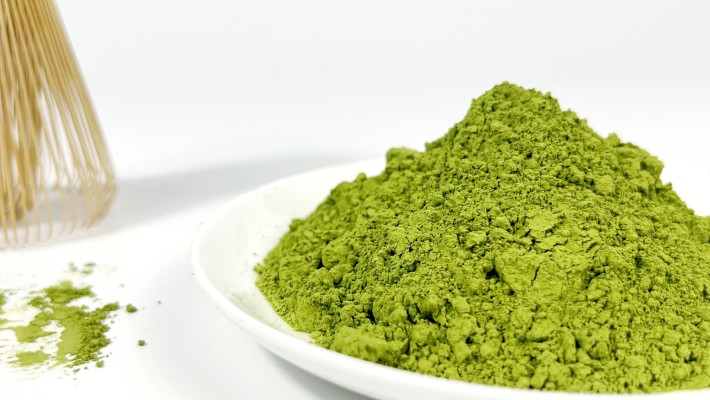
The detailed differences between Matcha (powdered green tea) and Tencha (stone-ground tea leaves)

     Core definition in one sentence:          Tencha (ground tea) is tea that is shade-grown, steamed, not rolled, and processed to remove stems and coarse veins, then dried into flat leaves; it is the dedicated raw material for making Matcha.           Matcha = Tencha that has been ground into an ultra-fine powder. All authentic Matcha must use Tencha as the raw material; green tea powder made by directly grinding Sencha does not count as standard Matcha. Below is a horizontal comparison of the two from five dimensions: processing method, usage, storage requirements, transportation, and end application. 1. Processing method Tencha (ground tea)      1) Cultivation: Shade-covered 20–60 days before harvest to boost chlorophyll and theanine while reducing bitternes...
How to professionally evaluate a sample of Gunpowder (pearl) tea
November 10, 2026 05:27 PM

How to professionally evaluate a sample of Gunpowder (pearl) tea

           Applicable to: Regular Pearl Tea / Organic Pearl Tea (3505A, 3505B, 9375, etc.), used together with your Chun Mee evaluation process and record sheet, following a standardized sequence, controlling all variables, and comparing multiple samples side by side.           Core principle: fix all brewing conditions, evaluate multiple comparative samples at once; do not score purely based on subjective feeling, record each item.          Evaluation sequence: Inspect dry tea → Weigh samples → Brew uniformly → Observe tea liquor → Smell aroma (hot / warm / cold) → Taste → Check leaves → Fill in record sheet. Preparation (to ensure reliable results) Equipment list: - Electronic scale (accuracy 0.1g) - Evaluation cups / Gaiwan (uniform capacity 150ml) - Timer - Thermometer (to check water temperature) - Pure water (fixed source to avoid water quality interference) - White evaluation bowl (to observe liquor color) - White background tray (to spread dry tea or spent leaves) - Evaluation record sheet (you already have for Organic Gunpowder samples) - Aluminum foil sealed bags, labels (to seal samples after evaluation) Standardized brewing parameters (same as Chun Mee for easy comparison) - Suitable for pure tasting evaluation (for retail or food service customers; North African mint boiled tea requires separate testi...
Gunpowder (pearl tea): Does tighter rolling always mean better quality?
September 06, 2023 09:00 AM

Gunpowder (pearl tea): Does tighter rolling always mean better quality?

          Quick takeaway: Tightly rolled grains are an important appearance feature of high-quality pearl tea, but it doesn't necessarily mean the tea is better. The tightness just reflects the craftsmanship of shaping the tea, and the final quality should be judged together with uniformity, broken bits, color, aroma, tea liquor, and taste...
How to Choose Gunpowder Tea Grades Based on Market Positioning
February 04, 2023 12:40 PM

How to Choose Gunpowder Tea Grades Based on Market Positioning

How to Choose Gunpowder Tea Grades Based on Market Positioning Applicable Types: Organic / Conventional Gunpowder, Core Types: 3505A, 3505B, 9375; can also extend to lower grades like 9374 (coarse pearls). Core Principle: Don't focus on price first—figure out the end drinking scenario first. The value points of Gunpowder tea fall into two categories: one focuses on dry tea appearance, delicate aroma, and pure drinking taste (Europe & US retail); the other focuses on brew color intensity, boil-resistance, and cost (North African / Middle Eastern mint tea market). Below, we break down quality requirements, recommended grades, pricing strategies, and risk points across six types of channels. 1. High-End Retail (Boutique Supermarkets, Organic Stores, Independent Tea Brands, mainly in Europe/North America) Market Positioning: Targeting consumers who value packaging...

Total: 23 / Current Page: 1 of 4