
Tea Knowledge for Better Sourcing
Practical insight into tea quality, production, certification and export readiness.
Wholesale buying Matcha: color, fineness, aroma, use – which one should you compare first?
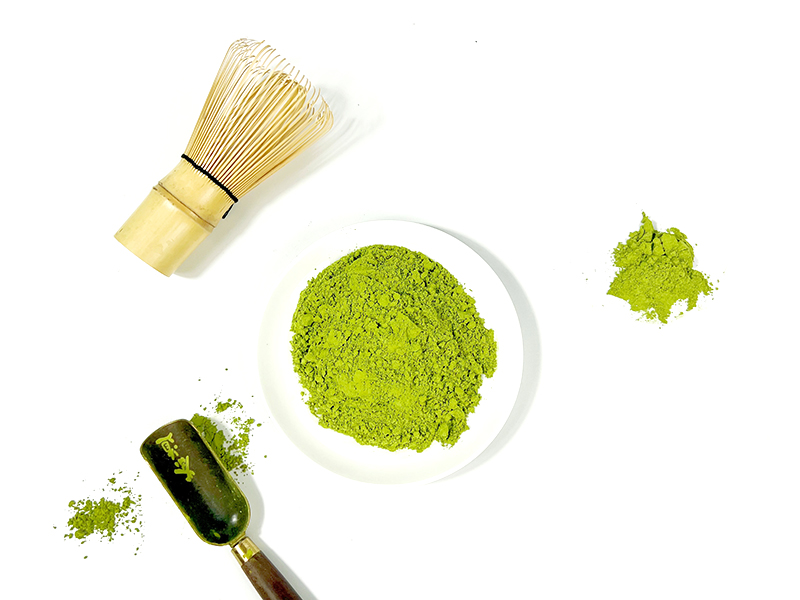
Core Conclusion: Color, fineness, and aroma are all key quality indicators, but [Usage] is the highest-priority criterion that must be determined first. You have to clarify the end use before setting the acceptable thresholds for color, fineness, and aroma; you can't simply use "the greener the better, the finer the better" as a purchasing standard.
Common pitfalls in matcha procurement: focusing only on looks, selecting the brightest green and finest powder samples, then realizing after bulk purchase that they don't match the client's end use scenario, resulting in overpremium but excessive performance, or even product defects.
Logic sequence: first lock in the end use → define acceptable color, fineness, and aroma for that scenario → compare prices and evaluate stability among qualified samples.
1. Usage (highest priority, determines the trade-offs for the other three indicators)
Usage is the starting point for procurement. Different applications require completely different matcha. The same matcha can be premium in Scenario A but unqualified in Scenario B.
Tea Ceremony / Premium Matcha (Uji-style ceremonial)
Goal: Whisked with a tea whisk into thick, creamy foam, consumed directly, delicate flavor.
- Priority order: Aroma > Fineness > Color
- Requirements: Fresh, sweet nori-like aroma, low bitterness; powder fine enough to create lasting foam; color should be soft bright green, not extremely fluorescent.
- Risks: Chasing ultra-bright green often involves high-grade stone-milled tea or extra coloring, raising costs without necessarily matching aroma; overly fine powder may clump and be harder to whisk.
Ready-to-Drink Beverages (matcha lattes, smoothies, sparkling tea drinks, coffee shops / tea shops)
Goal: Suspension in liquid, minimal layering, visually appealing, smooth mouthfeel, stable in hot and cold preparation.
- Priority order: Fineness > Color > Aroma
- Requirements: Powder fine enough to remain suspended; bright green color for store display; aroma clean matcha, without hay or burnt notes; aroma doesn't need to be as rich as ceremonial grade.
- Note: Coarse powder will quickly settle, leading to complaints about layering; dull-colored matcha makes lattes look unappealing.
Baking Applications (Cakes, Cookies, Chocolate)
Goal: Maintain color and flavor stability after high-temperature baking; blend well with butter/sugar.
Priority Order: Heat-stable color > Aroma > Texture
Requirements: The focus isn’t on how green it looks at room temperature but on not turning yellow-brown quickly after baking; aroma should withstand high heat without becoming dull; texture just needs to be evenly dispersed, no need to be ultra-fine like matcha for tea ceremonies.
Common Mistake: Many buyers pick matcha that looks the greenest at room temperature, but it turns yellow immediately in the oven—basically only judging by room-temperature color and ignoring heat-stable color performance.
Ice Cream, Candy, Meal Replacement Powder (Low-temperature Processing / Dry Powder Mixing)
Goal: Easy-to-disperse powder, stable color, consistent flavor.
Priority Order: Texture > Color Stability > Aroma
Texture should prevent clumping; color ensures consistent batches; aroma just needs to be mild to complement milk/sweetness.
Low-cost Bulk Food Industry (Flavoring Base)
Goal: Control costs, basic matcha flavor, high tolerance for appearance.
Priority Order: Cost > Basic Flavor, with relaxed requirements for color and texture; as long as there’s no off-flavor, slight yellow-green is acceptable, and texture standards are lower.
2. Color: Important, but not the primary judging factor
The green of matcha comes from chlorophyll, determined by shading duration during tea processing, picking tenderness, and drying method.
Advantages of Color:
Bright and uniform green usually indicates high-quality tender leaves and well-controlled oxidation; great for retail display and beverage coloring.
Limitations and Risks of Color:
1. For the same grade of matcha, color after grinding can be affected by grinding temperature and storage oxidation; samples may look green but fade after high-temperature shipping.
2. Some products show a “fluorescent bright green”: could be from younger leaves, but also from selective sourcing or process adjustments; bright green doesn’t always mean great aroma or taste—it could be green but very bitter, or aroma may be weak.
3. Baking: Bright green at room temp ≠ good color retention when baked.
4. Color is just a visual indicator; it doesn’t tell if green tea powder comes from non-traditional sources.
5. Evaluation Tips: Don’t just ask "which is greener"—look at the color range needed for the specific use and the stability of that color (light and heat resistance).
3. Fineness: Affects suspension, foam, and mouthfeel, but finer isn't always better.
Fineness is generally measured by particle size (D50, in microns): for tea ceremony matcha, D50 is usually 5–10μm; for food grade, it can be 10–20μm.
Advantages of a finer grind: the finer it is, the smoother it feels in your mouth, the better it suspends in liquid, and the easier it is to create dense foam.
Drawbacks of fineness (often overlooked by buyers):
1. Ultra-fine powders absorb moisture, clump, and oxidize more easily, making storage and transport more difficult, and shelf life shorter.
2. Ultra-fine grinding has higher production costs, with a significant price premium; for baking, extreme fineness is completely unnecessary, which is a waste of performance and adds unnecessary cost.
3. Fine powders create serious dust, making handling in food factories tricky.
4. Key points for evaluation: set upper and lower particle size limits based on the scenario, just enough to meet requirements—no need to chase extreme fineness.
4. Aroma: Determines flavor quality and is the core attribute for distinguishing grades.
Aroma comes from amino acids and volatile aromatic compounds in ground tea; it's a hard-to-fake indicator. Aroma evaluation includes: fresh seaweed scent, clean sweetness, grassy notes; negative flavors include hay-like, stale, burnt, old, metallic tastes.
Tea ceremony grade: Aroma is the most important, requiring rich, fresh, sweet seaweed notes.
Milk tea shops: Aroma should be clean and free of off-flavors, with moderate intensity.
Baking: The focus is on avoiding unpleasant hay or stale notes after heating. Limitations: Aroma is a sensory attribute and needs standardized evaluation; even if the aroma is great, if the powder is too coarse to suspend, it can't be used for drinks.
Terminal Use | Purchase priority order | Core focus | No need to go overboard |
Tea ceremony / Making tea | Aroma > Fineness > Color | Fresh and savory seaweed flavor, stable foam, smooth and low astringency | Ultimate Fluorescent Green |
Tea Shop (Matcha Latte / Smoothie) | Fineness > Color > Aroma | Suspends well, doesn’t settle easily, bright and clear soup color | Top-notch complex aroma |
Baking (cakes, cookies) | Heat resistance and color retention > aroma > fineness | Doesn't brown easily after baking, and has no off-flavors when heated | Ultra-fine powder, room temperature fluorescent green |
Ice cream / Meal replacement powder | Fineness, color stability > aroma | The powder is easy to disperse, and the color is consistent across batches. | Tea ceremony-level fresh aroma |
Industrial bulk food base | Cost > Basic aroma qualified | No weird smell, basic matcha flavor | High greenness, ultra-fine powder |
Practical Purchasing Process (Aligned with Your Gunpowder / Chun Mee Review System)
Step 1: Lock in the purpose, write down the customer's end-use scenario, and define the acceptance criteria checklist.
Step 2: Set the passing thresholds. For example, matcha for a tea shop: D50 < 12μm; appears jade green at room temperature with no browning; no hay-like musty smell. As long as these three criteria are met, it moves to price comparison assessment; extra fineness/greenness beyond the threshold doesn’t add cost.
Step 3: Compare multiple samples under the same conditions
Color: visual comparison, accelerated oxidation test (light/heat to check fading)
Fineness: particle size check (third-party testing or sedimentation test)
Aroma: dry aroma, then hot aroma after brewing
Functional performance (most important): actual application tests following the customer’s real recipes—whipping for foam, making a latte to see suspension, baking test to check color retention.
Step 4: Horizontal cost-performance evaluation, don’t pay extra just for color or fineness beyond what's needed.
Step 5: Seal and store samples, including sensory and application test results, as the benchmark for future bulk acceptance.
Purchasing Risk Tips:
1. Only looking at color: You might buy a very green matcha that has weak aroma, pronounced bitterness, and poor heat stability.
2. Only looking at fineness: Buying ultra-fine matcha at high price for baking wastes cost and causes clumping.
3. Only smelling aroma: Great aroma, but coarse powder will settle quickly in milk tea, leading to complaints.
4. Ignoring batch stability: Samples meet color and fineness, but bulk batches fluctuate; suppliers should provide same-batch test data (particle size, color value).
Short Summary:
Color, fineness, and aroma are all important quality parameters, but the purpose is the top-level judgment. The correct approach for wholesale matcha isn’t comparing "which sample is greener/finer"; it’s defining the acceptable color, fineness, and aroma based on the end use, then comparing price and stability among samples that meet all application requirements.